
On Vacation in Madrid While Spain Burns
The relentless heat served as a reminder that all was not well.

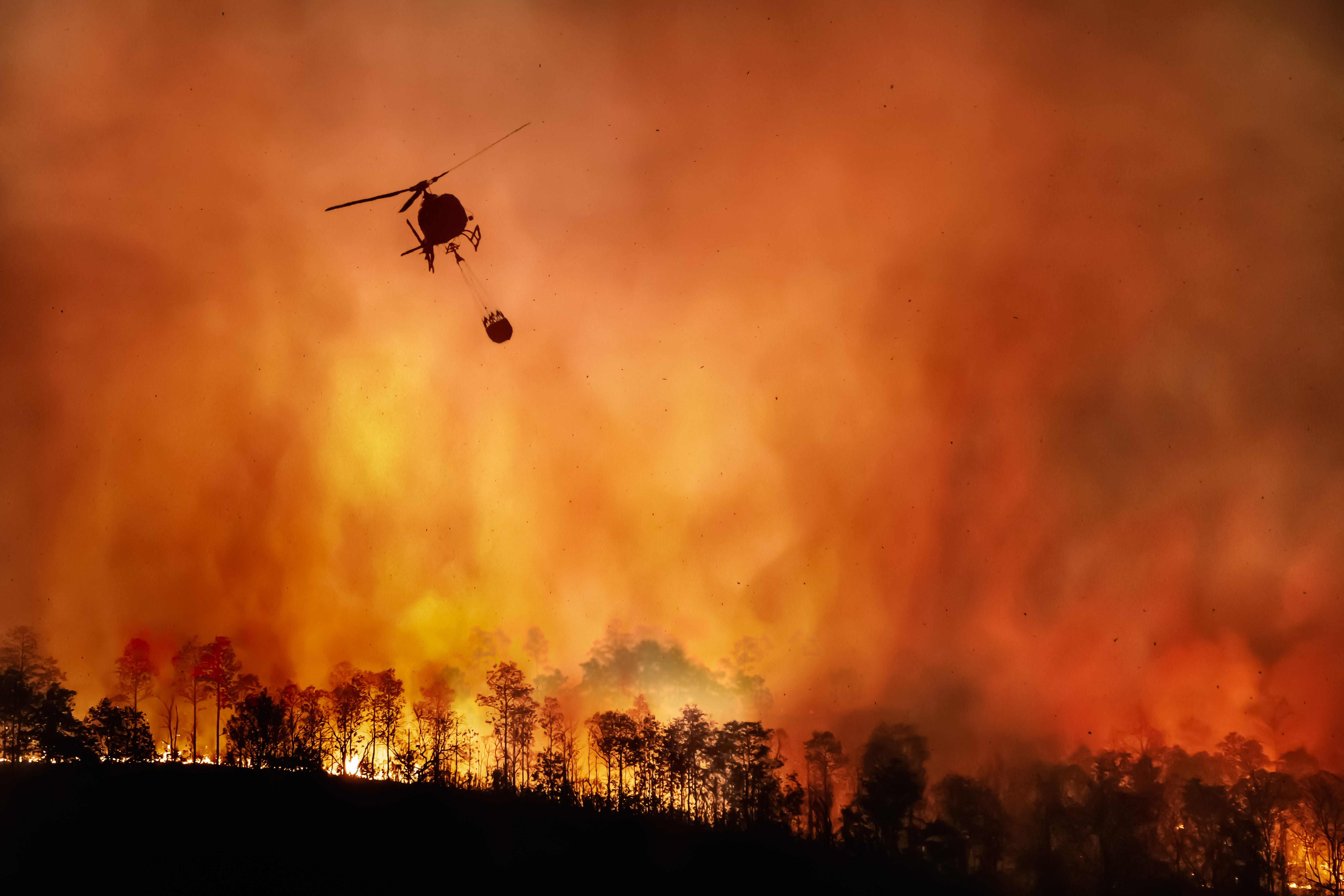
Last Monday, my wife and I flew to Madrid amid the first national emergency declared for a wildfire in Spain’s history. The day before our flight, we saw the apocalyptic headlines:
“Worst wildfires in Spain’s history”
“Wildfires rage across Spain and France”
Two wildfires ignited and merged 30 miles west of Madrid. I thought about my mom’s cousins who live in the suburbs. I called my mom, who called her cousins. They were on vacation, safe and sound hundreds of miles to the northwest, ensconced in the cocoon of moisture that is Galicia.
Our attention turned to our upcoming flight. Was it safe? Was it wise? Was it selfish? What about the insalubrious air quality or inadvertent siphoning of resources away from the country’s multi-front war against wildfires? Could the conflagration breach the city’s limits?
Tío Benito assured us that they were making a big fuss out of nothing. The host of the apartment in which we were staying echoed those sentiments.
“Aquí en el centro hacemos vida normal.”
(“Here in the [city] center, we live a normal life.”)
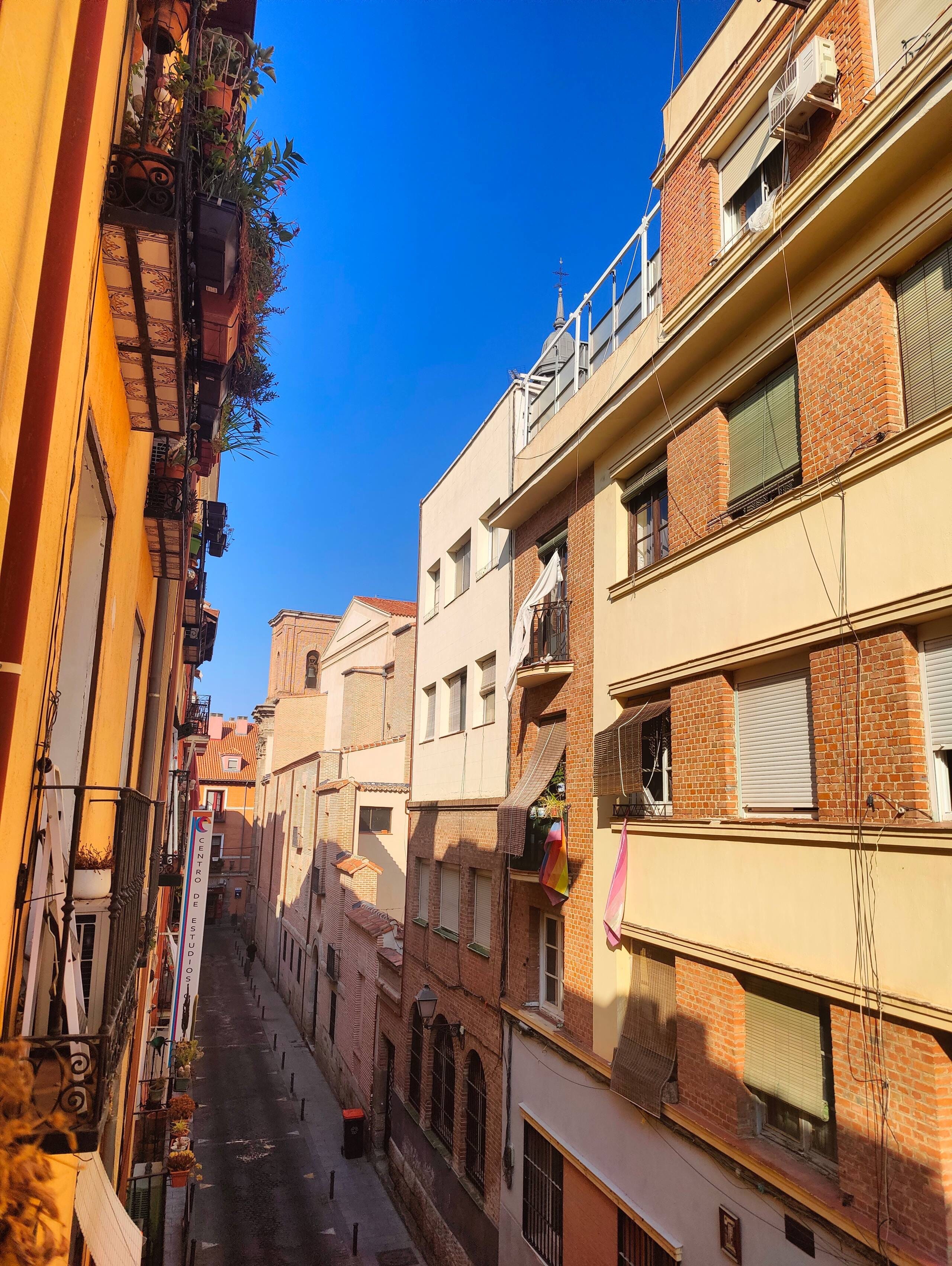
She even sent us a picture of the blue skies in the city center as evidence.
One French foreign minister called the fires a “tragedy” while in the same breath urging tourists not to cancel their trips. Those words rang callous given the loss of vegetation, wildlife, human life, homes, and livelihood, but tourism in the Mediterranean during the summer does the briskest of business. The stakes are high.
Expecting 100 million tourists this year, Spain in particular is in demand. Its summer arrivals forecast is up six percent.
But my wife and I couldn’t ignore the news reports. The wildfires were not in control. They still aren’t.
We decided to cancel our trip.
Our host had some flexibility but not within the timeframe of rescheduling that the airline tolerated. In the end, we couldn’t cancel without throwing away more than a grand, so we flew to Madrid.
Upon our approach to the capital, the view from the plane was hazy, but I couldn’t tell if that was from the wildfires or if it was just a regular hazy day. In the city center, everything appeared normal, as advertised, except for one thing: The vanishing smell of potato chip bags burning in a campfire.
My family comes from Spain. Both my parents were born in Spain, as was my sister. A few years back, my sister hired a genealogist to see how far back our roots in Spain go: the 1700s, as far as we can tell.
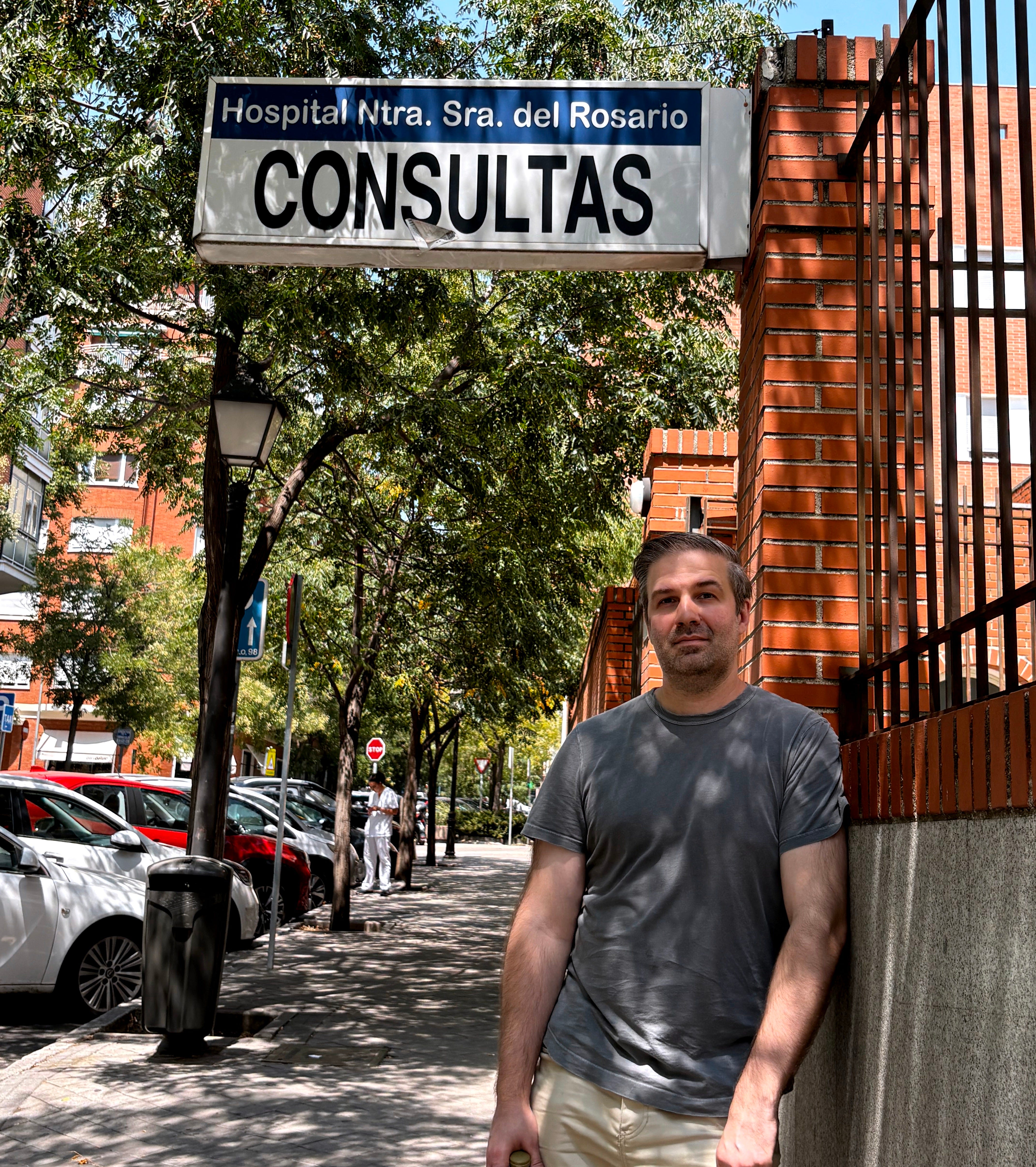
Twenty years ago, I sought out the birthplaces of my mom and my dad: Belvis de la Jara, a little village south of Toledo, and Cañada de la Cruz, an even smaller, remote village in the foothills of the Revolcadores massif in Murcia. On this trip, I found my sister’s birthplace in the well-heeled Salamanca neighborhood in Madrid.
(My victorious picture below for reference, but please overlook the weird thing I’m doing with my arms, which appear to be operated remotely by a forklift operator.)
I had been to Madrid before, but my visit was so brief that it hardly counts. My ex and I, in our twenties then, checked into a hostel only to be promptly collected by my family upon hearing of our sorry state. Tía Pili negotiated an immediate refund with the hostel manager and ferried us back to her home in the suburbs. We saw a lot of Spain but little of Madrid.
Before this trip, I had only vague inklings of what Madrid was. The train station with a jungle inside. Late-night al fresco dining in a plaza overrun with restaurants and cafes. This time, I got a deeper sense of the city.
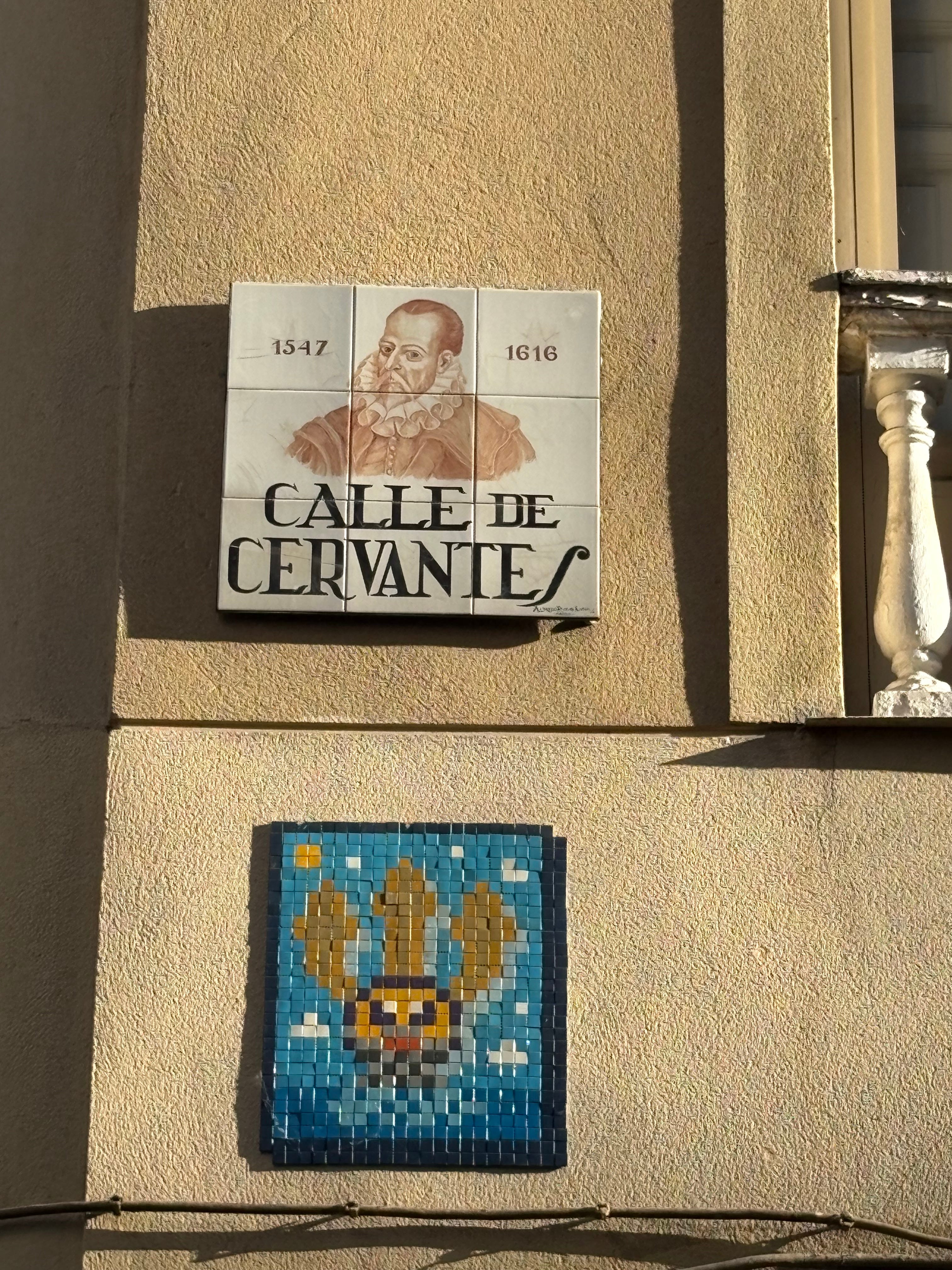
We stayed in las Letras, the literary quarter where titans of literature, such as Miguel de Cervantes, Lope de Vega, and Francisco de Quevedo, once lived, now celebrated throughout the district in stores, cafes, street signs, and novelty items.
We also had the good fortune of staying on the same block as the oldest flamenco tablao in the world. The flamenco performers mesmerized us: the adhan-like wailing of the singers, reminding me of the grainy records of La Niña de La Puebla my father used to play; the jazzy riffing of the musicians; and the triumphant, truculent stamping of the dancers. I’d never seen a deeper connection between singers, musicians, and dancers.
It was easy to fall in love with Madrid. The people were friendly, the food was invariably good, from classic Spanish fare to a comfy soup spot to the best sushi we’ve had in years, and the architecture rivaled that of Paris and Prague. The city was fun, friendly, clean, safe, beautiful, and easy to explore.
My only grievance was the heat, the third uninvited member of our travel party, which was extreme, surpassing 100 degrees on more than one occasion, and ubiquitous, since we walked almost everywhere. Many eateries, stores, and coffee shops offered little to no respite, either lacking air conditioning or keeping the doors wide open so as to render the AC meaningless. The heat was a constant reminder of what was happening outside the city limits.
I couldn’t help but feel a bit like the passengers in “Triangle of Sadness,” drinking champagne while the superyacht sloshed and bucked against the waves of a cataclysmic storm. As the Spanish countryside burned, my wife and I scarfed down croquetas and quaffed Cava.
More than 300,000 people have evacuated their homes in Spain, France, and Portugal. Now, Greece is on fire. Across Europe, more than a million acres have burned. For context, Luxembourg is 638,000 acres.
The current wildfires are the predictable consequence of arid climates and soaring temperatures. European countries broke records for extreme heat in July. This July was Spain’s hottest on record. On our return to Budapest, the same heat greeted us. While we were in Spain, Hungary broke a 105-year daily heat record for July 31st, rising to 39.4°C (nearly 103 degrees Fahrenheit) in the Újpest district.
Every year, heat records are broken. The global trend is implacable and politically agnostic. Earth is getting hotter. Climate change is happening, and it doesn’t give a shit if people believe it or not. The effects are knocking on our doors and moving into our basements. Larger wildfires. Bigger storms. Ecosystems askew. There used to be a season for wildfires. Now, they take place year-round.
In 2023, a couple of years before the start of our European adventures, I smelled a wildfire for the first time in my life. The smoke from Canadian wildfires drifted down hundreds of miles. The sky in New York turned a Martian orange-grey. The smell of smoke tickled my lungs.
I experienced a lesser version of that on our trip to Madrid. If we had been in New York a few weeks ago, we would’ve experienced the same or worse: It looked like someone had applied a “Dune” filter to New York City. Again, smoke from Canada’s wildfires wafted south.
When New Yorkers expressed alarm in 2023, Californians scoffed. “We deal with this every year,” they mocked. Sure, and New Yorkers deal with snow every year, but can we agree that if a blizzard hits San Diego, something is wrong?
We stopped calling the phenomenon global warming because generally people are not good at divorcing their personal experiences from a larger natural phenomenon. For the unlettered, every winter storm served as evidence refuting “global warming.”
The term climate change is less catchy but more accurate. The planet is warming, yes, but the effects of warming are the real cause for concern: Destabilized environments and more severe weather events, including hurricanes, droughts, and, yes, wildfires.
Meanwhile, we’re flying more than ever. July 23, 2026 was the busiest 24-hour period of commercial flights ever, with more than 153,000 commercials flights tracked.
But whether we’re traveling more by necessity or for pleasure, the truth is immoveable: We can’t run from this problem. In fact, running only makes it worse.
Author’s note:
I don’t paywall my writing, but writing is how I earn a living. If you appreciate my work, consider becoming a paid subscriber. If you want to know a little more about the newsletter or my credentials before subscribing, take a look at my About Page.
Thank you for reading.
— Pablo
As beautiful and informative as I’ve come to expect from your pieces! I’ve never been to Madrid. Thank you for sharing your visit and your thoughts about visiting.